Drain Line Inspection in Denver, CO
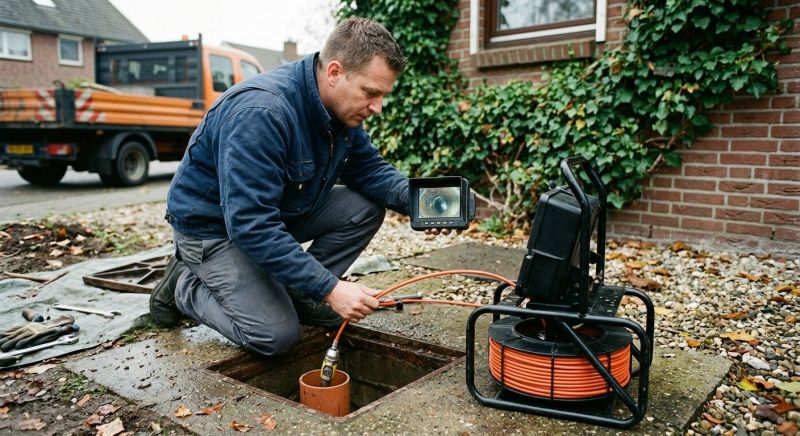
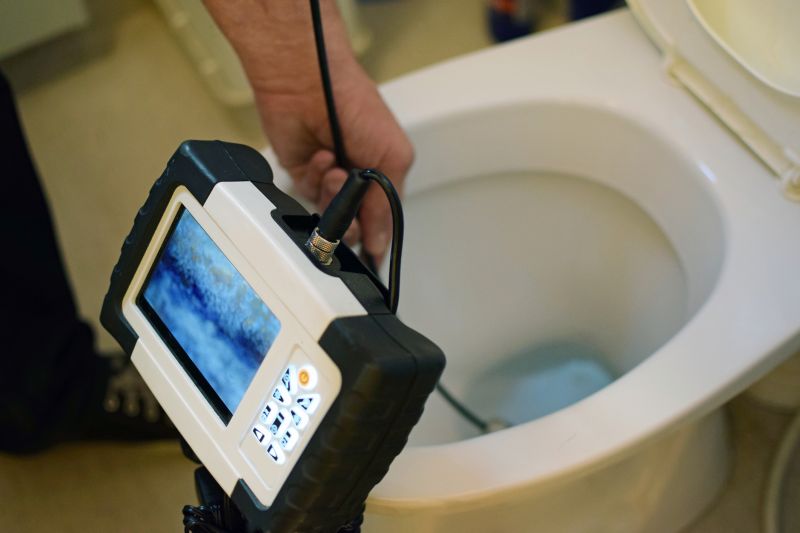
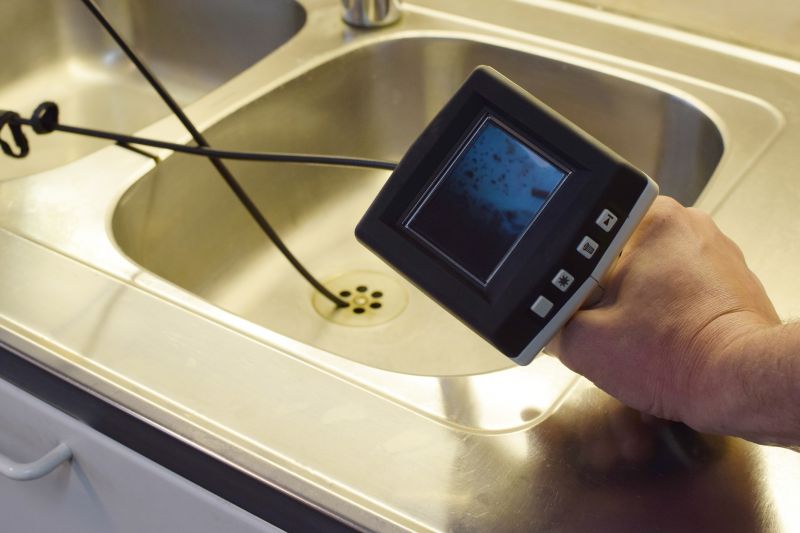
Drain line inspection services involve the use of specialized equipment, such as video cameras, to assess the condition of underground or hidden drainage pipes. These inspections are commonly requested for projects like diagnosing persistent clogs, locating leaks, or evaluating the overall health of sewer and drain lines. Homeowners often seek this service before undertaking major plumbing repairs or when experiencing issues like slow drains, foul odors, or backups, to better understand the cause and extent of the problem.
Property owners should consider what specific concerns or symptoms they are experiencing before requesting an inspection. It’s helpful to know the location of any visible issues, the age of the plumbing system, and any previous repairs made. This information can assist in determining whether a drain line inspection is appropriate and what areas might need closer examination. Clear communication about the problem can lead to more accurate assessments and targeted solutions.
Many property owners in Denver, CO look into Drain Line Inspection for repairs, replacements, upgrades, and appearance-related improvements.
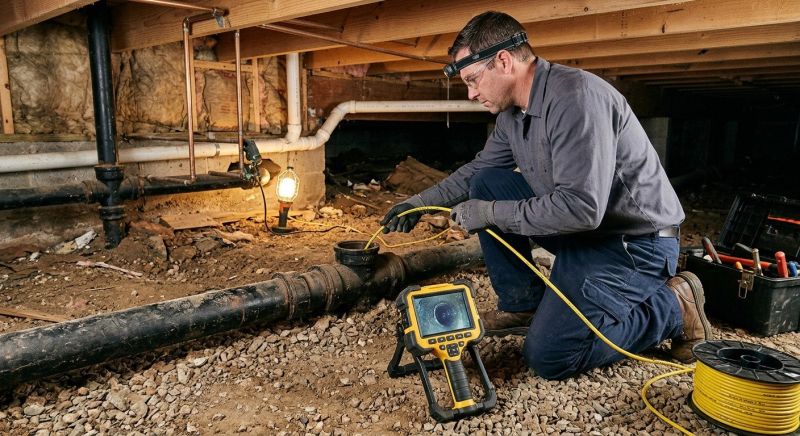
Drain Line Inspection Benefits
Identifies potential blockages or damage before they cause costly backups.
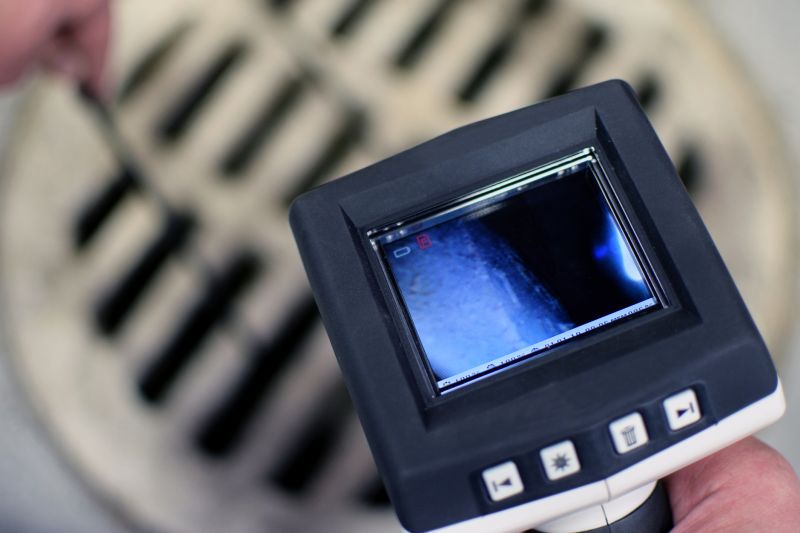
Common Inspection Situations
Used to assess drain issues after frequent clogs or slow drains in denver homes.
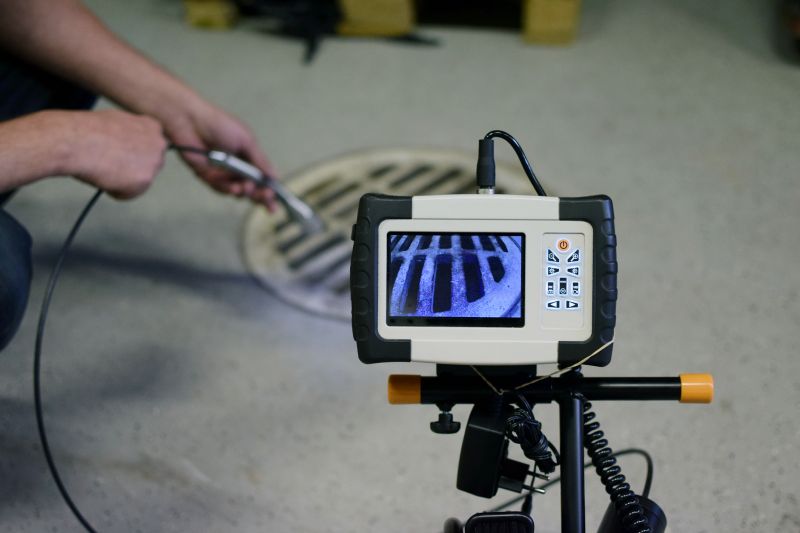
Inspection Methods
Utilizes advanced camera technology to accurately locate and diagnose drain problems.
Drain Line Inspection in Denver, CO

Drain line inspection services involve the use of specialized equipment, such as video cameras, to assess the condition of underground or hidden drainage pipes. These inspections are commonly requested for projects like diagnosing persistent clogs, locating leaks, or evaluating the overall health of sewer and drain lines. Homeowners often seek this service before undertaking major plumbing repairs or when experiencing issues like slow drains, foul odors, or backups, to better understand the cause and extent of the problem.
Property owners should consider what specific concerns or symptoms they are experiencing before requesting an inspection. It’s helpful to know the location of any visible issues, the age of the plumbing system, and any previous repairs made. This information can assist in determining whether a drain line inspection is appropriate and what areas might need closer examination. Clear communication about the problem can lead to more accurate assessments and targeted solutions.
Many property owners in Denver, CO look into Drain Line Inspection for repairs, replacements, upgrades, and appearance-related improvements.
Common Drain Line Inspection Jobs
Drain Line Inspection - Identifies blockages and leaks within underground drain pipes.
Commercial Drain Line Inspection - Ensures proper function of drainage systems in business properties.
Residential Drain Line Inspection - Checks for clogs or damage in home sewer and drain lines.
Pre-Repair Drain Line Inspection - Assesses pipe condition before repairs or replacements.
Post-Repair Drain Line Inspection - Confirms repairs have resolved issues and pipes are functioning correctly.
Drain Line Inspection with Video Camera - Uses video technology to locate problems without invasive digging.
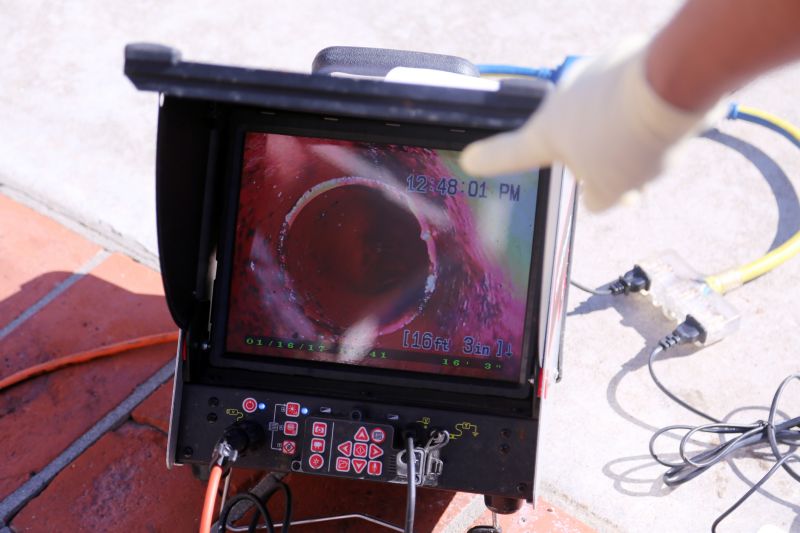
Drain Line Inspection Questions
What is drain line inspection? It involves examining the interior of drain pipes to identify blockages, cracks, or other issues that may affect drainage performance.
When should drain line inspection be considered? It is recommended when experiencing slow drains, recurring clogs, or before home renovations to ensure pipe integrity.
What methods are used for drain line inspection? Common techniques include video camera inspections that allow for detailed viewing of the pipe interior.
What are the benefits of a drain line inspection? It helps detect problems early, preventing costly repairs and ensuring proper drainage throughout the property.
Request Drain Line Inspection in Denver, CO
Use the quote form on this page to share the basics of your project and request more information for the type of work you need.